Greenovation Island: An Island Made of Recycled Glass Sand
07/05/2026 — Reading time: 6 min
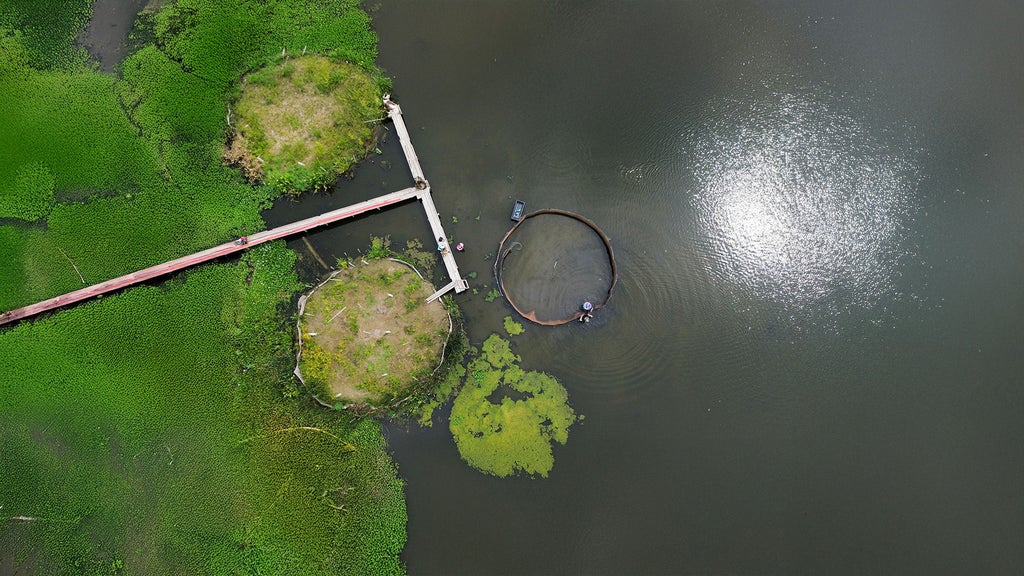
It started with the idea of introducing glass recycling in Louisiana. Now it has become a unique restoration project with a strong mission: to repair damaged wetlands with recycled glass sand and restore entire coastal areas.
With her project "Glass Half Full" and the idea of introducing glass recycling for Louisiana, Franziska Trautmann was a One Young World Scholar of the Audi Environmental Foundation and participated in the One Young World Summit in Manchester in 2022. By developing her idea, she found a meaningful use of recycled glass for the restoration of damaged wetlands on the Louisiana coast. Therefore, the organization Glass Half Full, founded by Franziska, and its nonprofit partner Glassroots collect glass across South-Louisiana through free drop-off programs and residential and commercial pickups. Then the glass is transported to the Glass Half Full facility, where it is pulverized into sand and sorted by size. The appropriate size for the "restoration mix" is then used for coastal restoration projects throughout Louisiana. To carry it out, Glassroots recruits many volunteers to help with the coastal projects and educates the residents of the region about the importance of this coastal landscape.
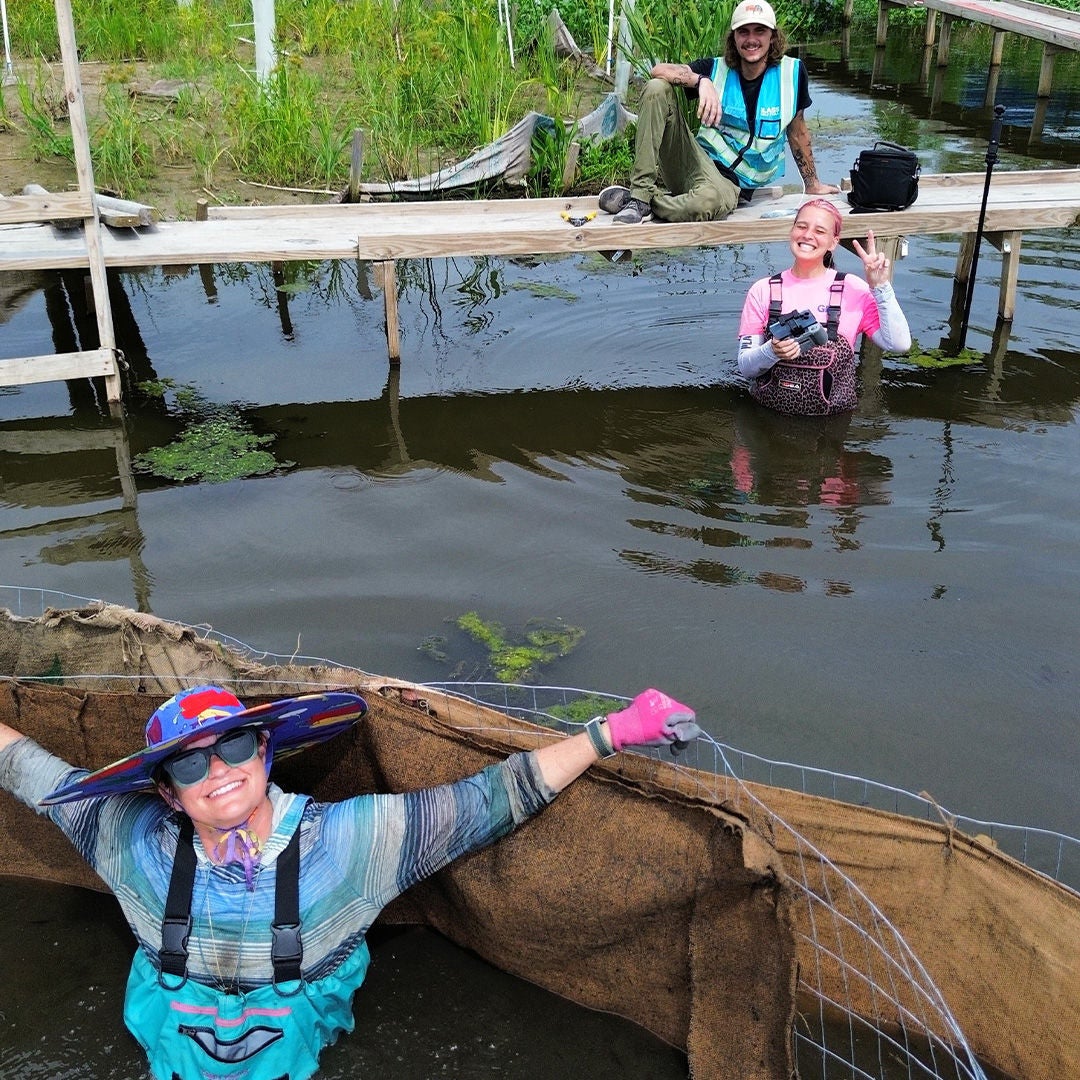
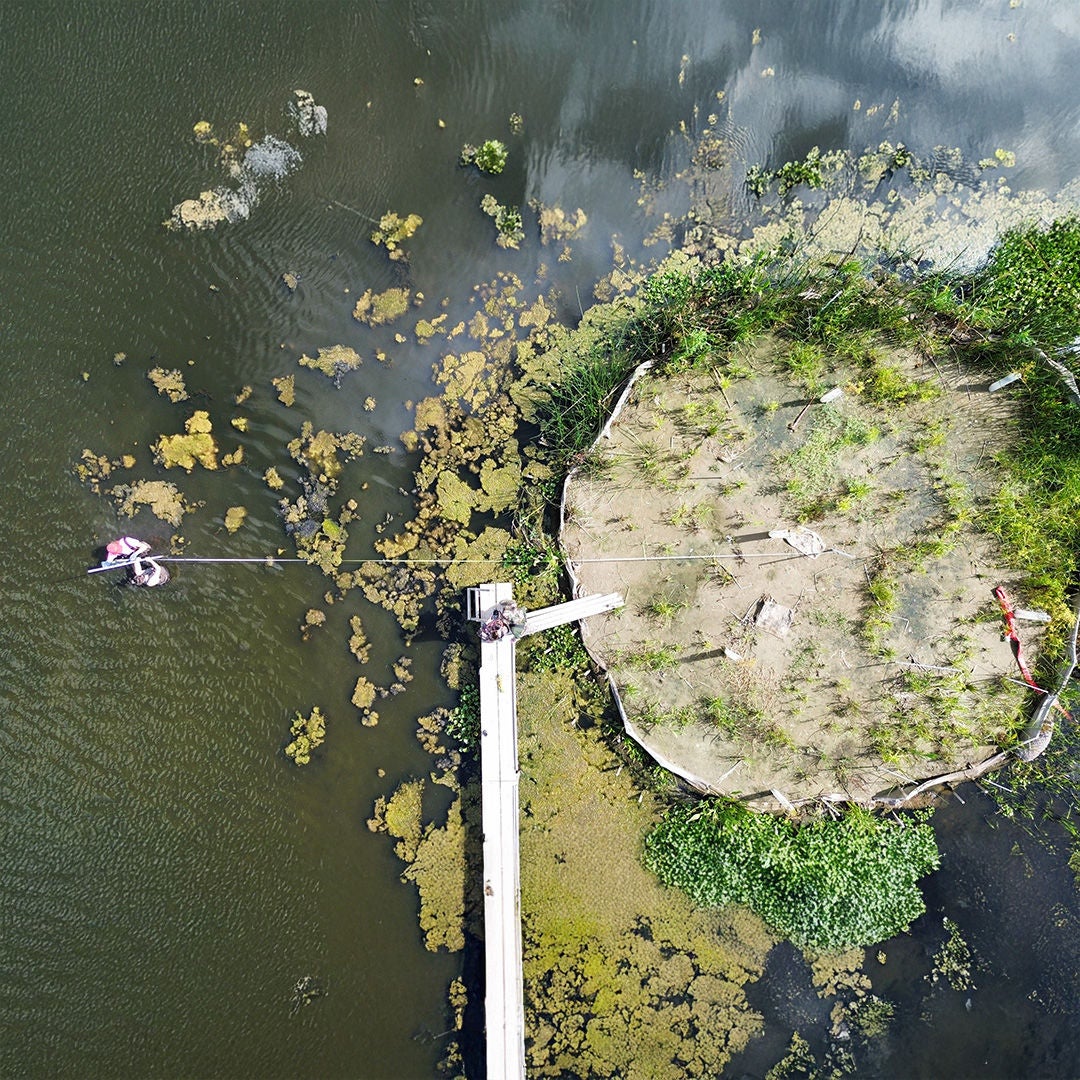
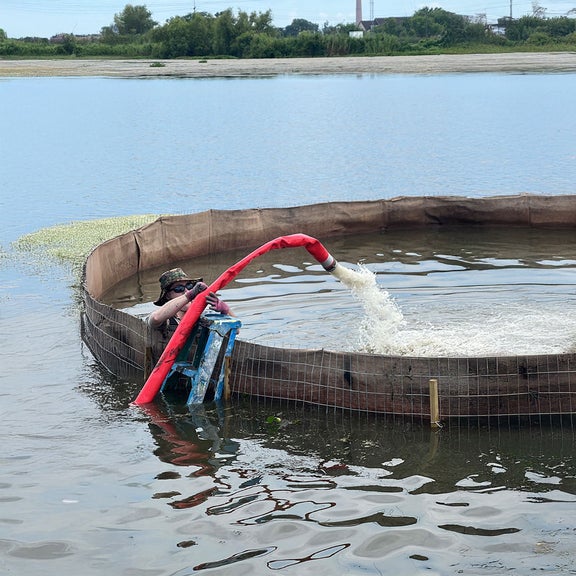
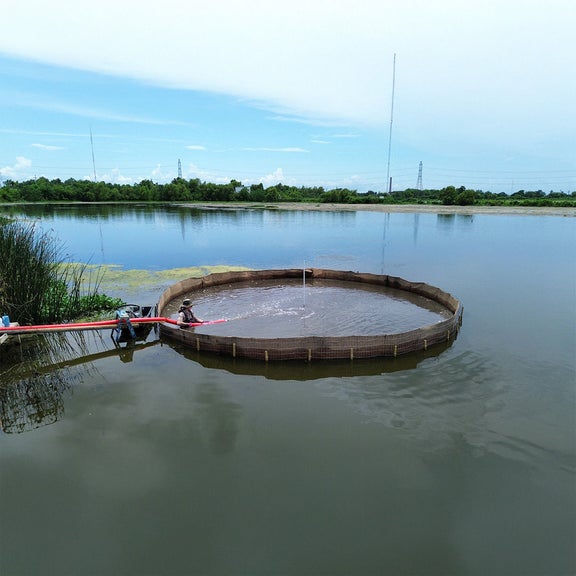
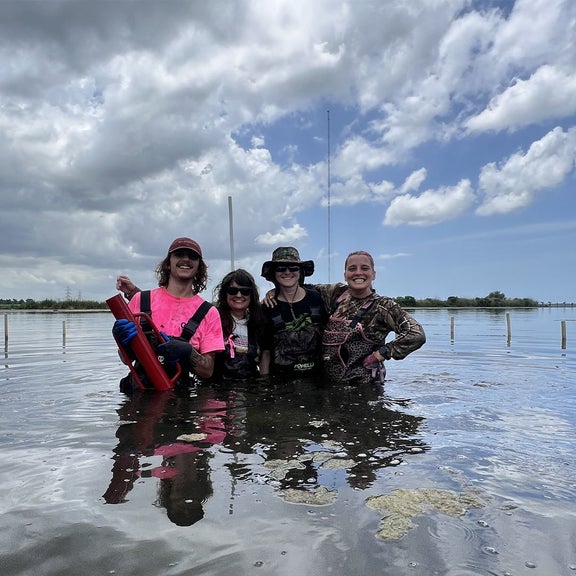
Here is a look behind the scenes:
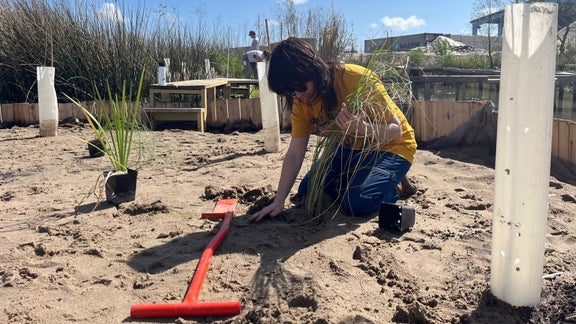
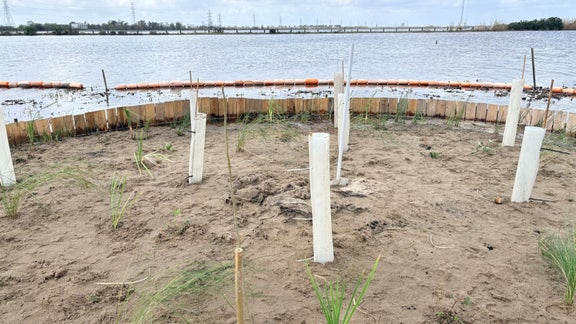
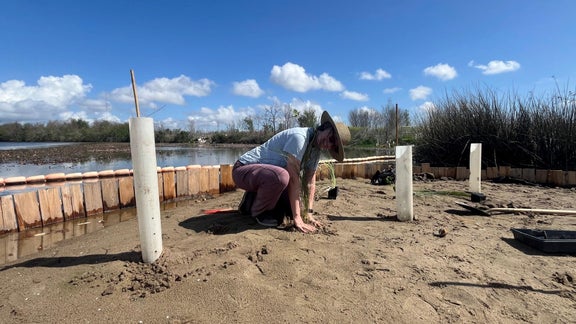
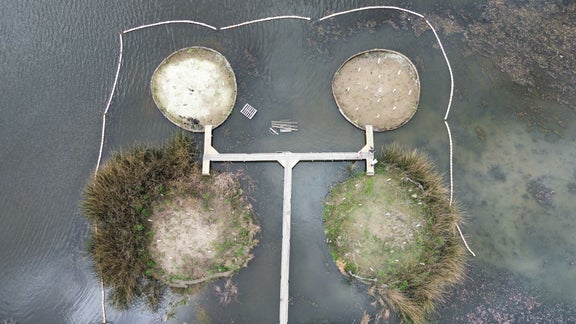
Recently, our "Greenovation Island" at Bayou Bienvenue was planted. The formerly badly damaged, saltwater bayou can now develop into a place of new life again.
For this purpose, on the newly created island plant species were specifically selected that were historically native to this region before salt water penetrated the habitat for a long time.
Now a diverse mixture of native trees and marsh grasses is growing there again. Among other things, trees characteristic of wetlands such as swamp cypresses, water tuple trees and green ash trees were planted. They are complemented by numerous herbaceous species, including river hemp, cattails, lattice plants, pimpleweed, lizardtail, iris, and hibiscus. These plants form the basis for a stable, resilient ecosystem and thus create new habitats.
The aim of the reintroduction of this native vegetation is to revive central ecological functions, strengthen natural resilience, and secure the basis for biodiversity in the long term. At the same time, Greenovation Island contributes to the protection of the coastal landscape by building natural buffer zones that can counteract erosion and mitigate the effects of extreme weather events.
The project shows how sustainable prospects for damaged ecosystems can be created through partnership cooperation and creative approaches.