Pilot tests with socio-ecological added value
The German-Indian start-up "Nunam" is building three e-rickshaws for use on India's roads. The innovative heart of the e-rickshaws is the power storage system with battery modules from Audi e-trons. These are battery modules from the Audi e-tron test car fleet, which are given a second life in the e-rickshaws.
05/18/2026 – Reading Time: 5 min
The plan is to hand over the e-rickshaws to a project partner in India for selected pilot users in early 2023. In addition to the e-rickshaws, Nunam also builds charging stations with second life power storage systems. The modules in the charging stations temporarily store the solar power generated throughout the day until the e-rickshaws return in the evening to be charged. The solar power for the battery modules is provided by solar panels installed on the roofs of the local project partner. This creates an interconnected system that combines reused battery modules with electricity generated by an on-site photovoltaic installation for charging electric rickshaws.: On the one hand, the battery modules are used twice for stationary or mobile power storage systems. Compared to recycling, there is an advantage of reusing the battery cells and modules: to shift the time and energy-intensive process of dismantling the modules into the raw materials in order to produce new cells. On the other hand, the charging station for the e-rickshaw is fed with solar power instead of coal-fired power. The use of solar power is particularly useful in southern India, where global solar radiation is significantly higher than in central Europe.
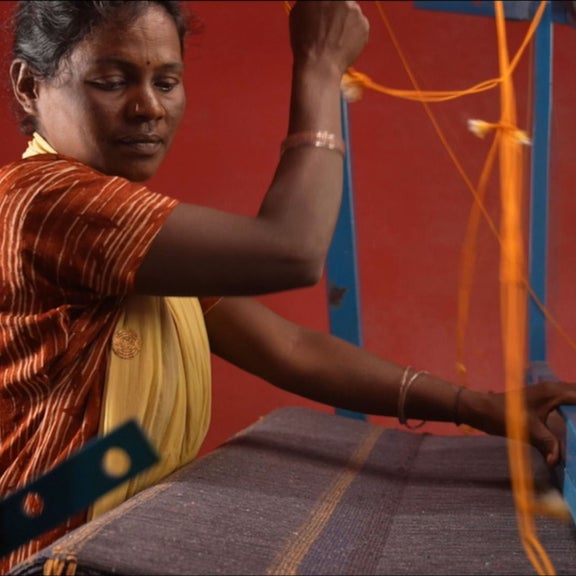
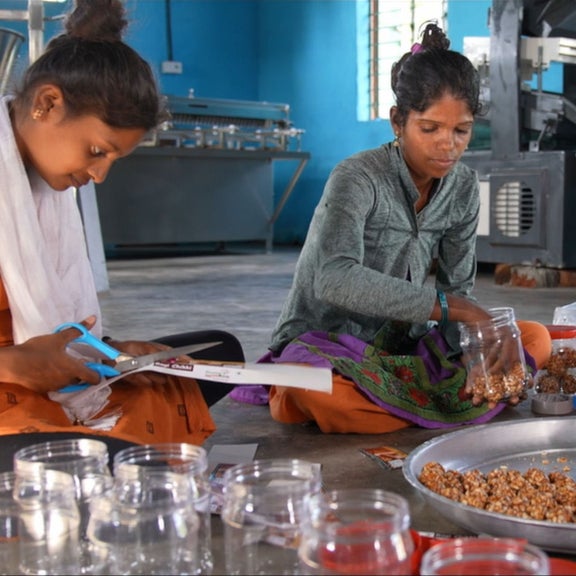

In an earlier phase of the project, Nunam supported women by installing second-life power storage systems for grid stabilization in a community center run by the non-profit organization SVYM. So, the seamstresses could operate the sewing machines on site without any interference. Frequent power cuts had forced the women to interrupt their work on the sewing machines again and again, which led to a long working day and low productivity. Due to the power storage systems, they can work with less technical interruptions, have shorter working days and can produce more saris than before.